
Blog posts tagged "NFV Orchestration"
Open source MANO release ELEVEN is here with another set of exciting features for the telco world!! Promising the production-grade orchestration of telco workloads, OSM release ELEVEN focuses on the trends of cloud-native deployments in multi-cloud environments. To overcome the challenges that we have discussed in previous blogs, OSM this

The use of NFV migration is becoming commonplace, it is made apparent there is a need for a higher degree of software management, smoother upgrades, and deployment process. Due to the complexity of the migration, Telcos have been deterred from adoption. A solution should be out there to aid businesses in managing and deploying network

Download whitepaper Network Function Virtualization (NFV) and Cloud native network functions continue to draw immense attention from the telecom sector. From the beginning, virtualisation is trying to fulfill the promises of reducing CapEx and OpEx by decoupling Network Functions from the underlying infrastructure and ensuring flexibility

Do I need to orchestrate my network functions? Well, the answer depends on the price-performance assumptions of your infrastructure and workloads. It seems like ages that NFV is trying to fulfill the promises of reducing CAPEX (Capital Expenditure) and OPEX (operating expenses) by decoupling Network Functions (NFs) from the hardware and
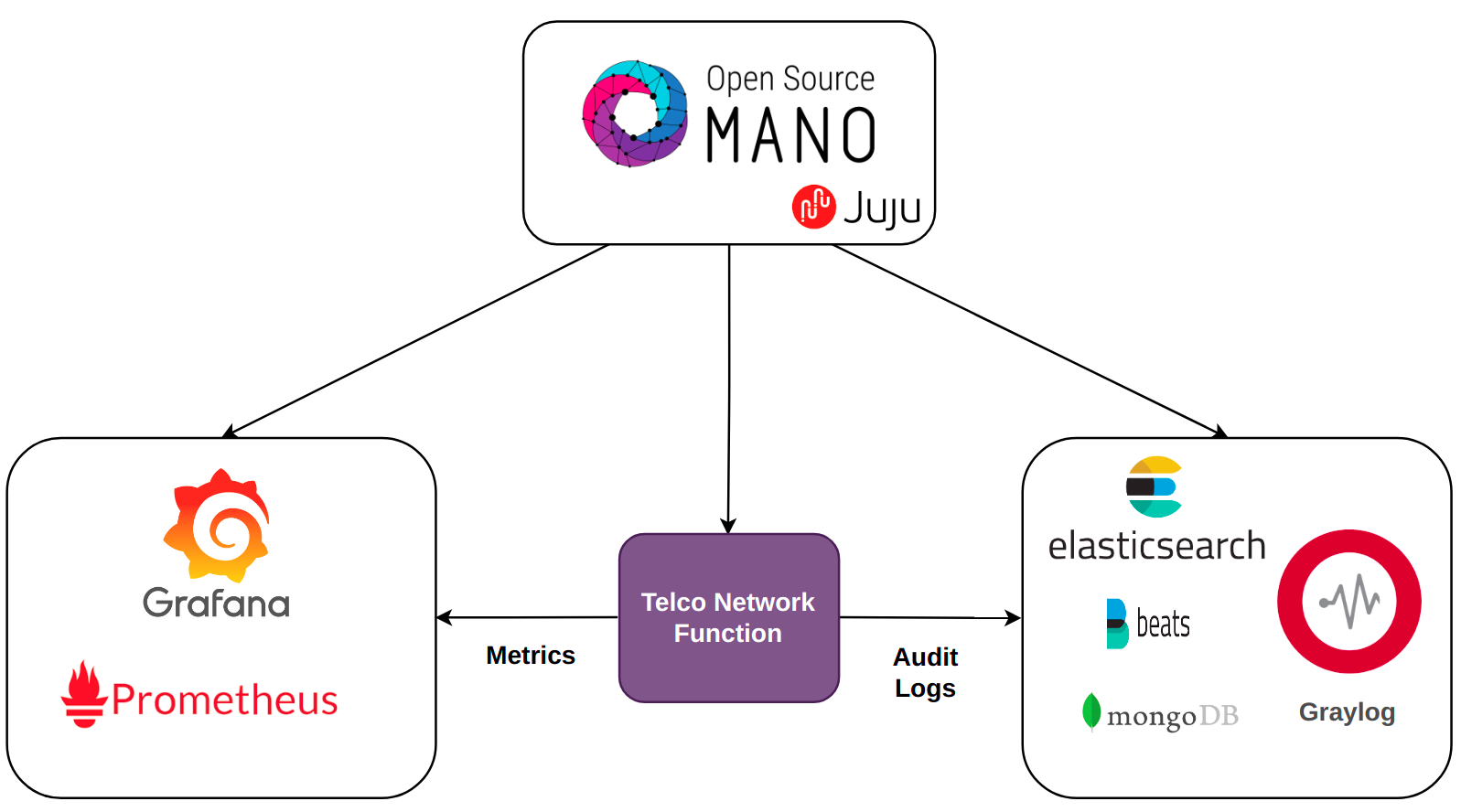
The transition to virtualized infrastructure and software network functions requires a re-evaluation in the telecom production environments. Network function is not alone. It has always been an important piece in the puzzle but requires a set of non-functional bits to complete the big picture and which brings the lifecycle management of n